
Rubio Monocoat: When is a Second Coat Necessary and How to Do It Right

author
8
5 minutes, 44 seconds Read

Rubio Monocoat is a favorite wood finish among woodworkers because of its durability and single-coat application. Its protective features and natural finish are undeniable, yet the question persists: is a second coat ever necessary?

Let’s address the conditions that warrant a second coat, the proper application methods, and the pitfalls to steer clear of, ensuring your projects retain both their beauty and resilience.

When is a Second Coat of Rubio Monocoat Necessary?

Rubio Monocoat excels with a single coat, but certain situations may benefit from a second. Consider a second coat if:

  • Rapid Absorption in Softwoods: A second might be necessary for uniformity if softwoods absorb the first coat unevenly.
  • High-Traffic or High-Use Areas: Projects in busy areas might need a second coat for extra protection.
  • Desire for a Deeper Color or Smoother Finish: A second coat can deepen the color and enhance the texture.

Evaluate the wood after the first coat and consider your project’s needs. A patch test is wise before a second application.

How To Apply A Second Coat Of Rubio Monocoat

A second coat of Rubio Monocoat needs precision, not just more product.

Follow these steps for optimal results:

  1. Check the First Coat: Wait for 24-36 hours until the first coat cures. The surface should be dry and non-tacky.
  2. Prep the Surface: Lightly buff with a fine sanding pad and clean off the dust. This preps the already coated surface.
  3. Mix the Product: For Rubio Monocoat 2C, mix parts A and B as instructed, usually in a 3:1 ratio. Mix well.
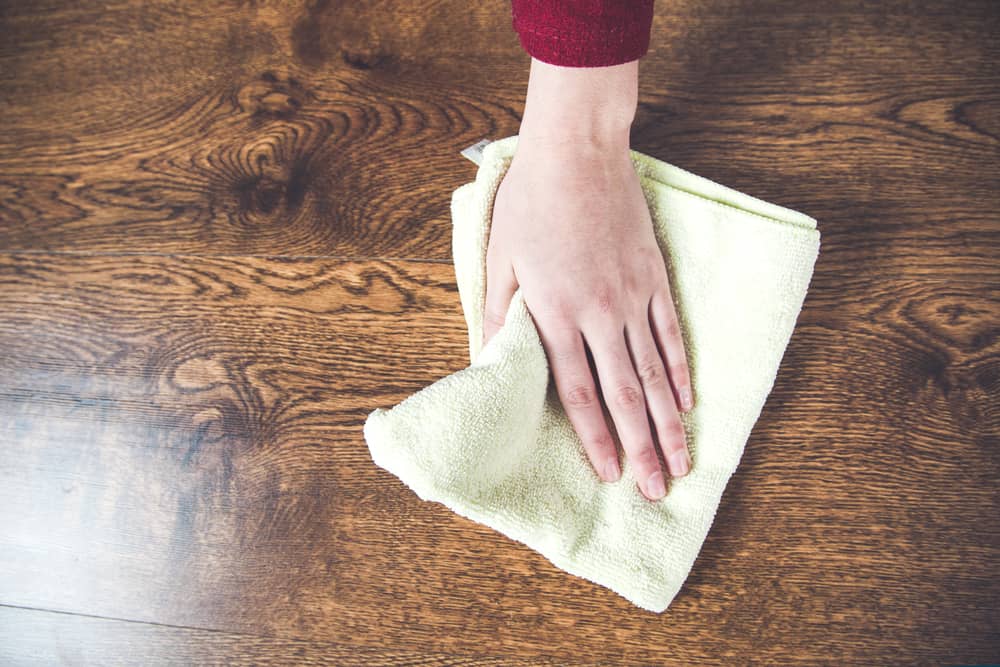
  4. Apply the Second Coat: Use less product this time. Spread it evenly with a brush or cloth for a uniform layer.
  5. Remove Excess Product: Wipe off any surplus within 15 minutes to avoid drying issues.
  6. Let it Dry: It takes up to 36 hours to fully cure. Keep the surface undisturbed.
  7. Assess the Outcome: Once dry, check the finish. If it looks even and offers better color depth and protection, your application was successful.

Don’t apply too thickly; Rubio Monocoat works best in thin layers. Patience and adherence to directions are your best tools.

Calculating the Quantity for Your Second Coat

Applying a second coat of Rubio Monocoat requires less product than the first.

  1. Reduced Absorption: The wood’s pores are partly filled after the first coat, decreasing the amount needed for the second.
  2. Fine-tuning, Not Saturation: The second coat addresses minor imperfections and enhances color, not saturate. You’ll need about 30-50% less product than the initial coat.
  3. Avoid Overapplication: Excess products can cause issues like uneven finishes or extended drying times. Aim for a thin layer.

Check the product’s instructions for precise quantities, considering your project’s surface area. A lighter application is key for the second coat.

How Long To Wait Between Coats

The waiting period between the first and second coats of Rubio Monocoat is crucial for optimal results.

  1. Curing Time: The first coat is completely cured before applying the second. Typically, this takes 24-36 hours, depending on factors like humidity, temperature, and wood type.
  2. Assess the Surface: The first coat should be dry and non-tacky to the touch. Any wet or sticky areas suggest more drying time is needed.
  3. Don’t Rush: Applying the second coat too soon can hinder proper adhesion and affect the finish’s durability and appearance.

Recommended Rubio Monocoat Products

Avoid These Common Mistakes When Applying a Second Coat

Applying a second coat of Rubio Monocoat can enhance the durability and aesthetic of your wood projects, but the process does require precision and awareness.

Here are common mistakes to avoid:

Common MistakesConsequencesHow to Avoid
Applying Too SoonCan lead to a tacky surface and uneven finish.Wait for the first coat to fully cure (24-36 hours).
Insufficient Surface PreparationSecond coat may not adhere well, creating patchy areas.Buff the surface lightly and clean thoroughly before application.
Incorrect Mixing RatiosAffects the finish’s durability and drying time.Follow the manufacturer’s instructions for the mix.
Applying Too Much ProductLeads to prolonged drying times, uneven sheen, or difficulty curing.Apply the product in a thin, even layer.
Not Removing ExcessCan result in a sticky residue and compromised finish.Ensure all excess product is removed within 15 minutes of application.
Rushing the Curing ProcessMay cause defects like cracking or bubbling.Allow the product to cure naturally, without excessive heat or airflow.
Skipping the Patch TestUnexpected results in the final look.Always conduct a patch test in an inconspicuous area.

Adhering to the product’s guidelines, you can ensure a flawless application of your second coat, resulting in a beautiful, long-lasting finish for your projects.

How to Maintain Your Rubio Monocoat Finish for Longevity

Preserving your Rubio Monocoat finish is crucial for its enduring beauty.

Here’s how to keep it in top condition:

  • Regular Cleaning: Use a dry or damp cloth daily. For deeper cleans, Rubio Monocoat Soap is ideal. Avoid harsh chemicals.
  • Handle Spills Promptly: Clean spills immediately to avoid stains or damage.
  • Fix Scratches: For minor scratches, lightly sand the area and reapply Rubio Monocoat Oil Plus 2C.
  • Periodic Maintenance: Use Rubio Monocoat Refresh for restoration, especially in high-traffic areas.
  • Preventive Measures: Protective pads and coasters prevent physical or heat damage.
  • Monitor Sun Exposure: Limit direct sunlight. Use curtains or UV-resistant films, or Rubio Monocoat’s Sunprimer for outdoors.

While a second Rubio Monocoat coat isn’t always essential, it’s beneficial in some cases.

If it suits your project, apply it with precision. Proper application and maintenance are key to getting a great finish.


https://l.facebook.com/l.php?u=https%3A%2F%2Fwww.obsessedwoodworking.com%2Fblog%2Fcan-you-apply-2-coats-of-rubio-monocoat%2F%3Ffbclid%3DIwZXh0bgNhZW0CMTEAc3J0YwZhcHBfaWQQMjIyMDM5MTc4ODIwMDg5MgABHmJsly8ci91Wdx1cQ3O0jp76wM7VQ4nzhfoBv7fnqCGqEgxj0DLLw3wMypsh_aem_z4pno-9aGQv13IKsJjpdXA&h=AUDMao1MwXcSfNasXodZ8Sdk_XFx0hAWECHFl0rpajRkMdiDNUZDA5fAfYOVZJKCqiLN4KJBx5RNCQGXqjG4eayyvziAaZ8-uNuWcXBYk_ZEz_ScizhGF9_UWtIhpVJQYchGFzu6SyhHNdnNwp5JiEHt__nOsX3l&__tn__=H-R&c[0]=AUCH7oGzkdisyZfuZr06rgWOJj377mSAMN1LWWzl17OQiRxBGjgMeTRZBTkv5h-06MVJLvwDONVTvQVIw031jEP1T__DMDLuRpw0Qs4Ssv3a_U8VSTmYe3q_53bn8Xnkiw

Leave a Reply

Your email address will not be published. Required fields are marked *

8 comments on Rubio Monocoat: When is a Second Coat Necessary and How to Do It Right

Similar Posts

8 Comments on Rubio Monocoat: When is a Second Coat Necessary and How to Do It Right

  1. avatar
    Aly says:

    This was a useful breakdown because it answers a question many woodworkers have after hearing “monocoat” and wondering when one coat is not quite enough. I also liked that you focused on restraint, since a second coat sounds helpful only in specific cases like uneven absorption, extra-wear surfaces, or when someone wants a richer look rather than just piling on more finish.

    From my own experience with finishing products in general, the biggest improvements usually come from proper surface prep and properly wiping off excess, not from adding more material. In my opinion, that was the strongest part of your post because it keeps readers from making the common mistake of assuming a thicker application automatically means a better result.

    1. avatar
      admin says:

      Thank you for the thoughtful breakdown — I really appreciate you taking the time to dig into the post. Just to be fully transparent, the original write‑up wasn’t something I personally authored. It was a piece I came across in a woodworking group on Facebook, and I reposted it because I felt it explained the “one‑coat vs. two‑coat” question better than most finishing discussions out there.

      I agree with you completely: the biggest improvements in any finish come from proper surface prep, clean sanding, and wiping off excess correctly. That’s the part I try to emphasize in my own work as well. A lot of people assume more product equals a better finish, but technique and restraint usually make the biggest difference.

      I’m glad the post resonated with you, and I appreciate you calling out the parts that matter most. Even though I didn’t write the original, the principles behind it line up with how I approach finishing in my shop.  I did attach the Facebook link so you can read the original post. I will not take credit for something I did not do.

  2. avatar
    Alice says:

    This was such a helpful guide. I’ve been working alongside my husband to polish and finish our wooden furniture, especially the kitchen and bedroom cabinets, and we’ve been debating whether a second coat of Rubio Monocoat would make a difference. I appreciate how clearly you explained when it’s necessary, like for high‑use areas or when aiming for a deeper, smoother finish.

    It makes me think about our cabinets since they’ll see daily wear and tear. Do you find that applying a second coat in kitchen projects really extends the durability and resistance to stains, or is proper maintenance usually enough with just one coat?

    1. avatar
      admin says:

      Honestly, Rubio really is a one‑coat system, and for most cabinet builds one coat holds up great if the prep was solid and you’re using the right cleaners afterward. It bonds to the wood at a molecular level, so piling on more product doesn’t automatically mean more protection.

      That said, kitchen cabinets live a harder life than most furniture. Lots of hands, moisture, cleaning, and the occasional “oops” spill. In those situations, a second coat can absolutely help — not by turning it into a film finish, but by giving you:

      A little more water resistance around high‑touch areasA richer, more even look if the first coat soaked in differently across panelsSlightly better stain resistance over time

      But the real truth is this: maintenance matters more than the second coat. If you’re wiping spills, avoiding harsh cleaners, and refreshing with Universal Maintenance Oil when needed, one coat will last a long time.

      If it were my kitchen, I’d do the second coat on doors and drawer fronts just for peace of mind. But if your first coat looks great and you’re disciplined about care, you’re not missing out by sticking with one.

  3. avatar
    Shafna says:

    Hi,

    This was a really clear explanation. I liked how you described the specific situations where a second coat actually makes sense. The mistake list was very helpful. Thin application, proper curing time, and surface prep emphasis was fascinating. Have you noticed certain softwoods needing a second coat more often than others, especially in high‑use projects?

    1. avatar
      admin says:

      Thank you — I’m glad the breakdown was helpful. A lot of people assume a second coat is about “more protection,” but like you pointed out, it really comes down to application, curing, and prep.

      As for softwoods, yes — they tend to need a second coat more often, especially in high‑use projects. Species like pine, fir, and cedar have wider grain, softer fibers, and more uneven absorption. That means the first coat can sometimes soak in a little aggressively, leaving lighter areas or a finish that feels drier than you’d expect. In those cases, a second coat isn’t about building thickness — it’s about evening out the color and giving the surface a more balanced, richer feel.

      High‑touch pieces like benches, entry tables, or kitchen items make that difference even more noticeable. Softwoods can look fantastic with a single coat when the prep is dialed in, but they’re definitely the group where a second coat earns its keep.

  4. avatar
    Ropata says:

    I really appreciate how you emphasized that restraint is often the hardest part of working with Rubio Monocoat. When I first used it on a live-edge walnut table, I fell into the exact trap of thinking more product meant better protection, only to spend hours buffing out a stubborn, tacky residue. Your clear breakdown of the 15-minute wipe-off window and the critical role of surface prep perfectly mirrors the lessons I had to learn the hard way. I’ve noticed that on open-grain woods like white oak, a carefully applied second coat really does help unify the color, but only when the first layer is completely cured and lightly buffed. For heavy-use surfaces like kitchen islands, do you generally find that sticking to the Universal Maintenance Oil for periodic refreshes is enough, or does that initial second coat of Oil Plus 2C provide a noticeably longer-lasting barrier against moisture and daily wear? Thank you for putting together such a practical guide that helps woodworkers avoid the “thicker is better” myth.

    1. avatar
      admin says:

      You’re exactly right about open‑grain woods like white oak — they can benefit from a second coat only when the first coat has fully cured and the surface is lightly burnished. That extra pass doesn’t add “thickness,” but it does help unify the color and close up some of the more open pores.

      For heavy‑use surfaces like kitchen islands, here’s the honest breakdown from real‑world experience:

      A second coat of Oil Plus 2C does give you a bit more initial moisture resistance, especially around high‑touch areas and spots that see frequent wiping. It’s not a night‑and‑day difference, but it does create a more uniform bond and slightly tougher surface right out of the gate.

      Universal Maintenance Oil is what actually keeps the finish performing long‑term. Rubio is a penetrating oil, not a film finish, so the “barrier” isn’t something that stacks — it’s something that’s maintained. Regular refreshes with UMO do far more for durability over the years than trying to build up protection with extra coats of Oil Plus 2C.

      The way I usually explain it is:

      Second coat = better initial uniformity + a touch more water resistanceMaintenance Oil = long‑term durability, sheen control, and real‑world protection

      If the prep was solid and the wipe‑off was disciplined, one coat plus proper maintenance will hold up extremely well. But for kitchen islands that see constant use, I do like the peace of mind that comes from that second coat — not because it’s “stronger,” but because it starts you off with a more even, well‑sealed surface before you begin the maintenance cycle.

Leave a Reply

Your email address will not be published. Required fields are marked *